Start with the item, not a shopping list
When a household item is nearly finished, damaged, or inconvenient, it is tempting to look for a new product designed to prevent waste. Pause first. The most useful option may be to keep using what is already in the cupboard, change how it is stored, or repair a small fault. A new reusable item only helps if it replaces something you would otherwise discard and you use it often enough to justify owning it.
Look for repeat patterns rather than isolated mishaps. Do leftovers get forgotten because containers are stacked out of sight? Do cleaning cloths wear out quickly because they are used for every task? Is a small appliance abandoned because its cord or attachment is missing? Understanding the reason makes it easier to choose a lasting fix instead of collecting more things.
Make reuse easy to repeat
Convenience matters. Place a washable cloth where spills happen, keep a suitable container near the lunch supplies, and store repair basics where they can be found. If a reusable option is difficult to clean, carry, or return to its place, it may not become a dependable habit. It is reasonable to test a routine and change course if it does not work for your household.
Use clean, sound containers for storage and leftovers according to their intended use. Check care instructions, avoid putting unsuitable materials in high heat, and retire items that are cracked, sharp, or otherwise unsafe. Reuse should not mean ignoring hygiene or safety.
Repair small problems before they grow
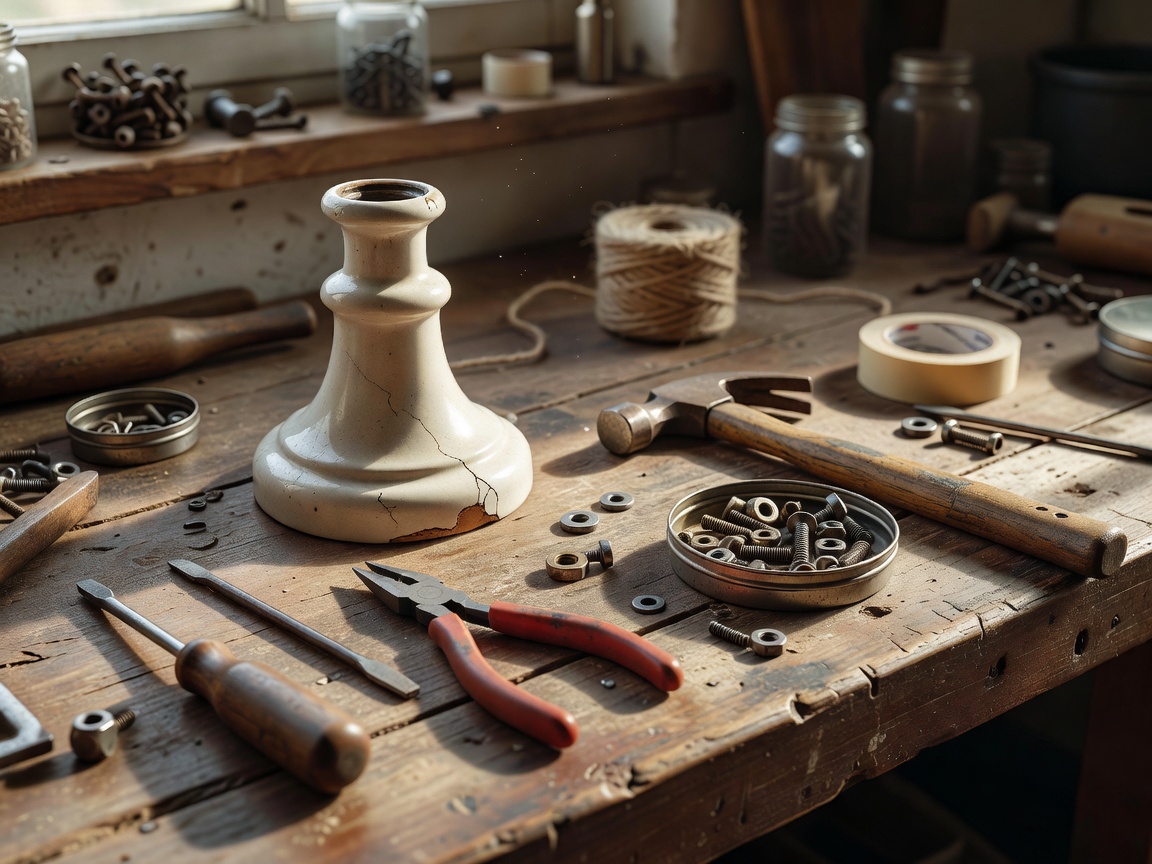
A loose button, a wobbly screw, a blocked filter, or a frayed seam may be manageable with simple care. Check the product manual, manufacturer repair information, or a reputable local repair service before taking something apart. For electrical items, batteries, pressurised containers, and anything that could cause injury, follow qualified advice and do not attempt repairs beyond your skill.
Maintenance can also prevent premature replacement. Clean filters as directed, keep tools dry, store products away from damaging heat or moisture, and use parts in the way the maker specifies. Keep instructions and model details together so they are available when a repair question arises. If an item is under warranty, review the terms before modifying it.
Share, pass on, or repurpose with care
An item that no longer suits one person may be useful to someone else, but only if it is clean, safe, complete enough to use, and wanted. Ask before passing things along, particularly bulky items. Local reuse groups, libraries of things, repair events, and charity shops have their own acceptance rules and capacity. Confirm what they can take instead of leaving unwanted objects at a door.
Repurposing can be helpful when the new use is genuinely practical. A jar might store small supplies; a sturdy box may organize a shelf. Yet keeping every container “just in case” can turn into clutter. Set a clear limit, keep only what you expect to use, and release the rest through an appropriate local route.
Choose one frequently discarded item. Put a safe reusable alternative where it is easy to reach, use it for a week, and decide honestly whether it suits your routine.
Choose one next step
Reuse is not a test of personal virtue. It is a practical decision shaped by time, space, accessibility, budget, and what is available nearby. Start with one small, repeatable change. If it makes daily life harder or creates a new problem, adapt it. The aim is to keep useful things useful for longer—not to achieve a flawless household.